
Adventitious, April 2026
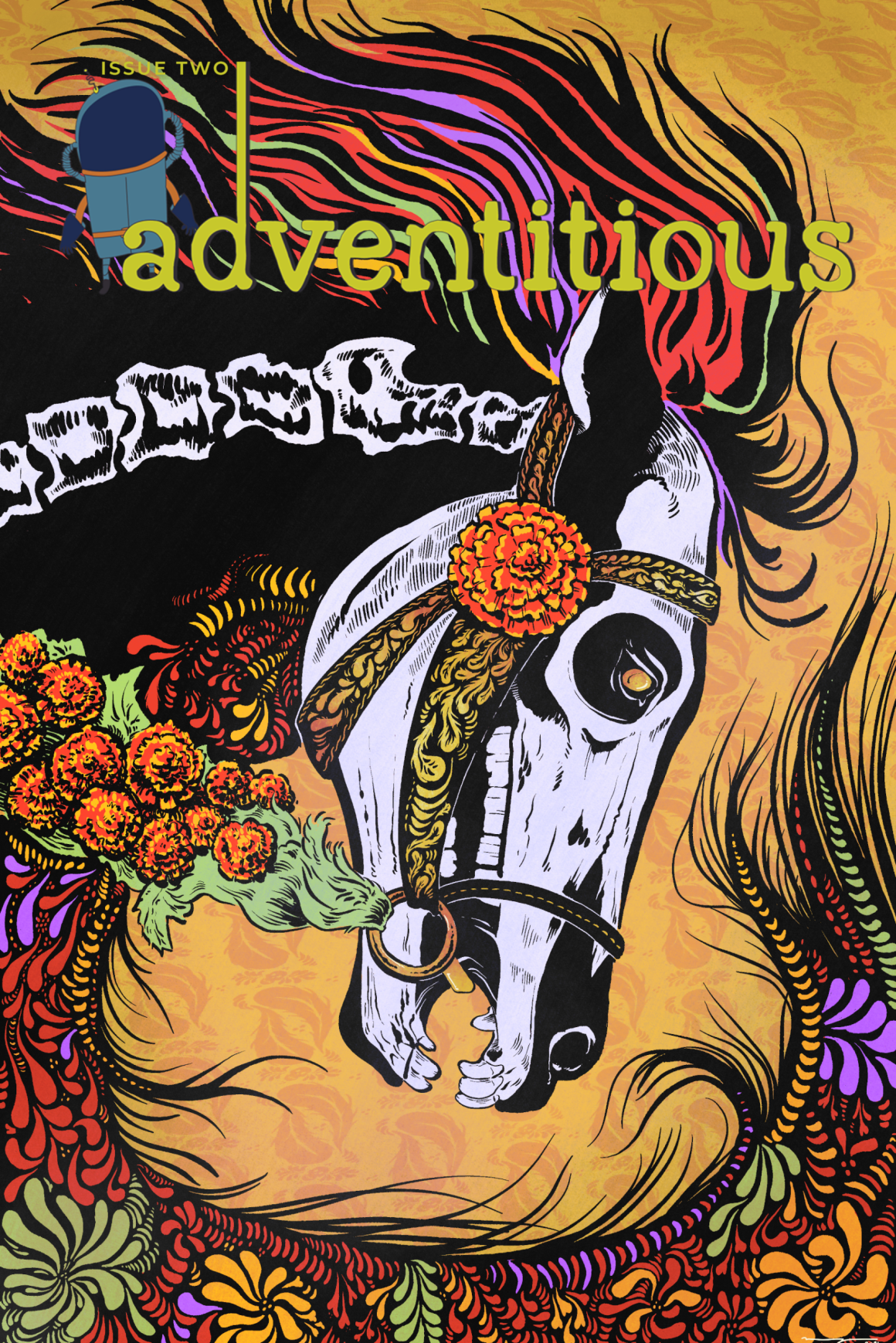
“Fernie” is a dual-perspective short story told in alternating voices: a lonely, precocious little girl named Sally, and a sentient ancient fern she befriends during a family time-travel excursion to the Cretaceous period. The story is warm and gently comic, structured around a single day that moves from prehistoric wilderness to a formal gathering of time travelers at a ninth-century mountain temple in Japan.
The story opens with Sally and her aunt lunching beside their Time Leaper machine when the air conditioning fails and the aunt steps away to make a customer service call. Left alone, Sally encounters a fern—later named Fernie—who attempts to entice her with wonders: bioluminescent oceans, giant prehistoric dragonflies. Sally, raised in a family of seasoned time travelers, is unimpressed. When the aunt returns and discovers Sally talking to a plant, she recognizes the pattern immediately: her niece, perpetually left to her own devices by distracted, absent parents, has invented another imaginary companion. The aunt agrees without hesitation to bring the fern home.
The narrative then shifts into Fernie’s perspective, rendered with deadpan comic effect. Fernie is not imaginary at all—it is a highly intelligent plant-spy on a reconnaissance mission to study the “Beasts” (humans), reading their thoughts via “auditory spores” and cataloguing their behaviors with military seriousness. Sally is designated Fernie’s “apprentice,” and the two form an unlikely partnership.
Their first joint mission is social survival at the quarterly Time Travelers’ Council meeting at Mount Koya. Sally dreads these gatherings: her mother is off somewhere in the Tang Dynasty for a PhD thesis, her father is schmoozing council members for research funding, and her aunt is distracted by a crush on a monk. Sally’s boorish older cousin greets her with an insult, and Fernie springs to her defense—mining the boy’s memories for a fear (a ghostly encounter in a dark temple bathroom) and feeding Sally the ammunition to embarrass him. The gambit is only partially successful, but it restores Sally’s confidence.
The story’s emotional center arrives when Sally’s father is visibly struggling to impress the council. Sally interrupts at exactly the wrong moment, drawing the cold disapproval of the elderly members. Fernie, reading the room, spots the one sympathetic council elder—Grand Time Master Merill Cyrus, eighty years old and simply hungry—and advises Sally to bring him her untouched bowl of soba noodles. The gesture charms Cyrus, defuses the tension, and wins a small, quiet victory for both Sally and her father.
The story closes with Fernie narrating from Sally’s shoulder pouch as the two sit on the temple steps above the crowd, looking out over the pine forest. Fernie still cannot read Sally’s mind—the one mystery that remains—but has stopped treating this as a strategic problem. The closing paragraphs reframe the entire reconnaissance conceit as something tender: Fernie, who has spent the story listening to everyone else’s thoughts, has found, in Sally, someone who simply talks to it. The plant, for now, doesn’t mind being a small Beast’s apprentice.
Liu’s story is a quiet, clever meditation on loneliness and companionship, built from the unlikely friendship between a neglected child and a spy-fern from the Cretaceous. The time-travel scaffolding is worn lightly, serving mainly as world-color and comic texture. The dual-POV structure is the story’s real engine: Fernie’s deadpan tactical narration recontextualizes Sally’s childhood instincts as genuine wisdom, and Sally’s uncomplicated affection for the plant softens Fernie’s martial mission into something more like belonging.
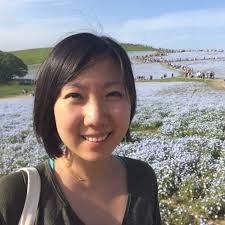
Angela Liu is a Chinese-American writer/poet based in NYC and Tokyo. She is a two-time Nebula Award and 2025 Astounding Award Finalist. Her work has also been nominated for the Hugo, Locus, Ignyte, and Rhysling Awards. She previously researched mixed reality at Keio University in Japan with a focus on new narrative platforms and tangible interfaces for remote communication. Her stories and poems are published/forthcoming in Uncanny Magazine, Clarkesworld, Strange Horizons, and Lightspeed, among others. Check out more of her work at liu-angela.com or find her on Twitter/Instagram @liu_angela and on Bluesky @angelaliu.bsky.social.