
Asimov’s Science Fiction, March/April 2026
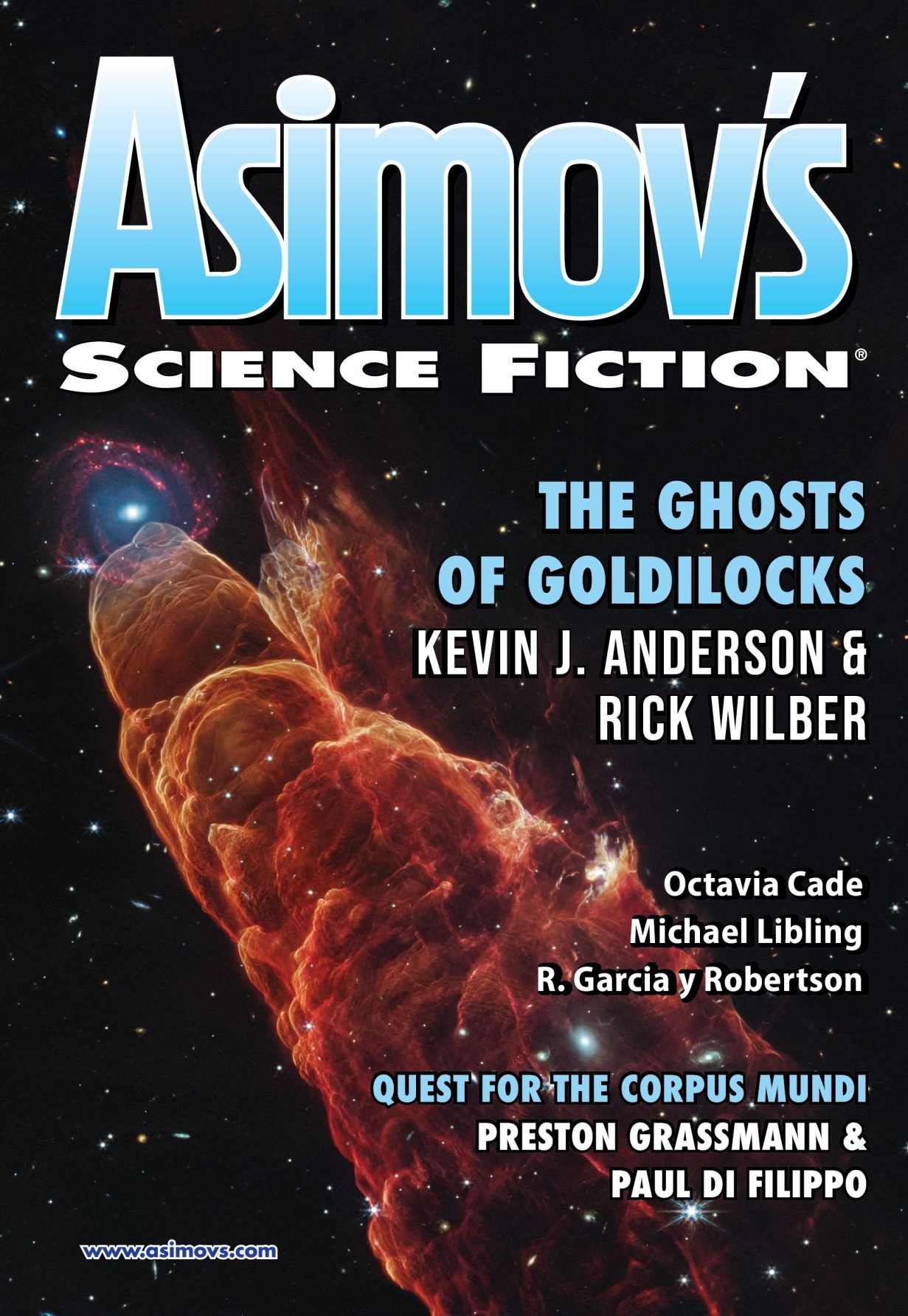
Forty years after the damaged generation ship Hind barely managed to land its passengers on the planet Goldilocks, humanity struggles to survive on a world that promised paradise but delivered hardship. Gando and his wife Ella run a failing homestead outside Xandi City, battling crop blights and equipment failures that threaten their livelihood.
When their irrigation pump breaks down, their friend Lonnie Dothanson—a gentle man with Down syndrome who wanders the wilderness planting grass seeds—brings Gando a strange artifact to help repair it. The device is clearly not human-made. Lonnie leads Gando to an ancient alien settlement hidden in a volcanic caldera: a ghost town of weathered ruins, erected streets, and buried bodies encased in transparent sarcophagi. The discovery stuns the colony.
Mayor Ayekiri, Gando’s sister, assembles a research team to investigate while dealing with her own crisis—their sister Issa is dying of cancer in Xandi City’s new medical center. As the team excavates the alien site, astronomers detect an enormous ship approaching Goldilocks, decelerating rapidly toward the planet. The coincidence seems impossible to ignore.
The researchers discover the ruins contain an underground power grid that has been transmitting signals for centuries. When they accidentally damage it, the mysterious “fireflies”—photonic entities that have always surrounded Lonnie—suddenly vanish, along with the planet’s auroras. The alien ship accelerates its descent, heading directly for the caldera.
Gando races to Xandi City to be with Issa in her final hours, fulfilling his duty as her brother while Ayekiri remains at the excavation site to represent humanity. The massive alien vessel—far larger than the Hind—descends through the clouds and lands at the ancient settlement without touching the ground.
Tall, gaunt aliens emerge—the “Croatoans,” as the humans call them, resembling the bodies buried in the cemetery. To everyone’s shock, they speak comprehensible English, learned somehow from monitoring the colony. They reveal that Lonnie, the “Old Man of the Hills,” inadvertently activated a distress beacon when he explored the ruins. The fireflies were part of an ancient communication system calling the Croatoans home to their long-lost colony.
The aliens acknowledge that humanity settled on their world unknowingly and pose no threat, having arrived weaponless and desperate. In a surprising turn, they ask to speak with Lonnie, recognizing his unique connection to the planet and its “bright little beings.” Lonnie chooses Mayor Ayekiri to accompany him aboard the alien ship for negotiations.
As Lonnie and Ayekiri enter the vast vessel, the story ends on a note of tentative hope. The Croatoans speak of “reviving this place” and meeting humanity’s needs, suggesting that these two struggling species—both refugees seeking a better world—might find common cause on Goldilocks. The ghost town may live again, but this time as a shared home for two civilizations learning to coexist on a planet neither fully conquered, bound together by Lonnie’s innocent wanderings and humanity’s desperate need for help.
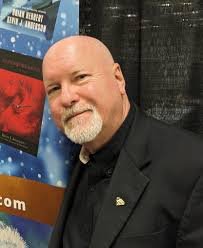
Kevin J. Anderson has published more than 190 books, fifty-eight of which have been national or international bestsellers. He has written numerous novels in the Star Wars, X-Files, and Dune universes, as well as the unique Clockwork Angels steampunk trilogy with legendary Rush drummer Neil Peart. His original works include the Saga of Seven Suns series, the Wake the Dragon and Terra Incognita fantasy trilogies, humorous Dan Shamble, Zombie P.I. series and The Dragon Business series. He has edited numerous anthologies, written comics and games, and composed the lyrics to three rock albums. Anderson is the director of the graduate program in Publishing at Western Colorado University, and he and his wife Rebecca Moesta are the publishers of WordFire Press. He worked on the recent films Dune: Part One and Part Two from Legendary Entertainment, as well as the forthcoming Dune: Prophecy TV series from MAX, and other films in development, including Persephone and Karousel. He has 24 million copies in print in thirty-four languages. His most recent novels are Nether Station, Horn Dogs, Persephone, and Princess of Dune (with Brian Herbert).
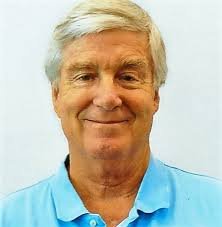
Rick Wilber is an award-winning writer and editor who has published a half-dozen novels and short-story collections, several college textbooks on writing and the mass media, and more than fifty short stories in major markets, including several published in Asimov’s Science Fiction magazine that are set in the same near-future as Alien Day. He has won the Sidewise Award for Alternate History for the story, “Something Real,” and his previous S’hudonni Empire novel, Alien Morning, was a finalist for the John W. Campbell Memorial Award. He lives in Florida.