Strange Horizons, April 2025
The narrator, Em, marries Minju—the girl who bullied her in middle school—on the same day that “Pandora’s Formula” is published online. This formula is a simple, inexpensive method for creating a self-perpetuating gas that would kill all humans on Earth within 24 hours. The ingredients cost less than $500 and require only high school chemistry knowledge, making it accessible to anyone.
Em and Minju discover this news during their honeymoon in Cozumel, Mexico. The formula has been peer-reviewed and confirmed real by multiple scientific institutions, though the original scientists have apologized and taken it down—too late, as thousands of copies already exist online. The couple’s planned paradise vacation becomes shadowed by existential dread as they process this information differently: Em tries to maintain normalcy and take practical action, while Minju spirals into fear and obsession.
Their relationship dynamic reveals itself through the crisis. Em was the tall, awkward softball player in middle school whom Minju tormented with slurs and mean notes. They reconnected years later at a college party and fell in love, but vestiges of their old power dynamic persist. Minju, small and fierce, has always wielded a certain power—whether standing up to authority figures or cutting down peers. Now that power feels democratized in the worst way: everyone has equal ability to end the world.
As their honeymoon continues, they attempt scheduled activities—snorkeling, shopping, a chocolate-making workshop—but the shadow of Pandora’s Formula looms over everything. News reports detail attempted deployments, including a young man in Berlin who tried to use it after being dumped. Nations begin threatening each other with the formula. Service workers quit their jobs, asking why they should spend their potential last days waiting tables. Minju obsessively follows the news while making reckless purchases, maxing out their credit card on designer shoes and expensive espresso machines.
Em responds by joining petition drives, contacting legislators, and searching for solutions—underground bunkers, scientific antidotes, community programs offering support to prevent suicidal deployment. She wants to protect Minju, to “bundle her up in bubble wrap,” but Minju’s fear is too large to contain.
The story culminates when Minju disappears one evening. Em wakes to find her gone and checks their credit card: Minju has made purchases at local drugstores and hardware stores—potentially the ingredients for Pandora’s Formula. Em finds her on the beach at dawn, holding shopping bags and trembling, admitting she’s scared.
The story ends ambiguously. Em takes the bags from Minju, and as the sun rises, she acknowledges that they’ll live on a knife’s edge now, never knowing if each day will be humanity’s last. But while this knowledge is consuming Minju, Em feels herself opening to a different response—one focused on love and presence. She sees her wife illuminated by dawn: “my wife, my bully, my fellow small god,” recognizing both their shared vulnerability and their shared terrible power in this new world.
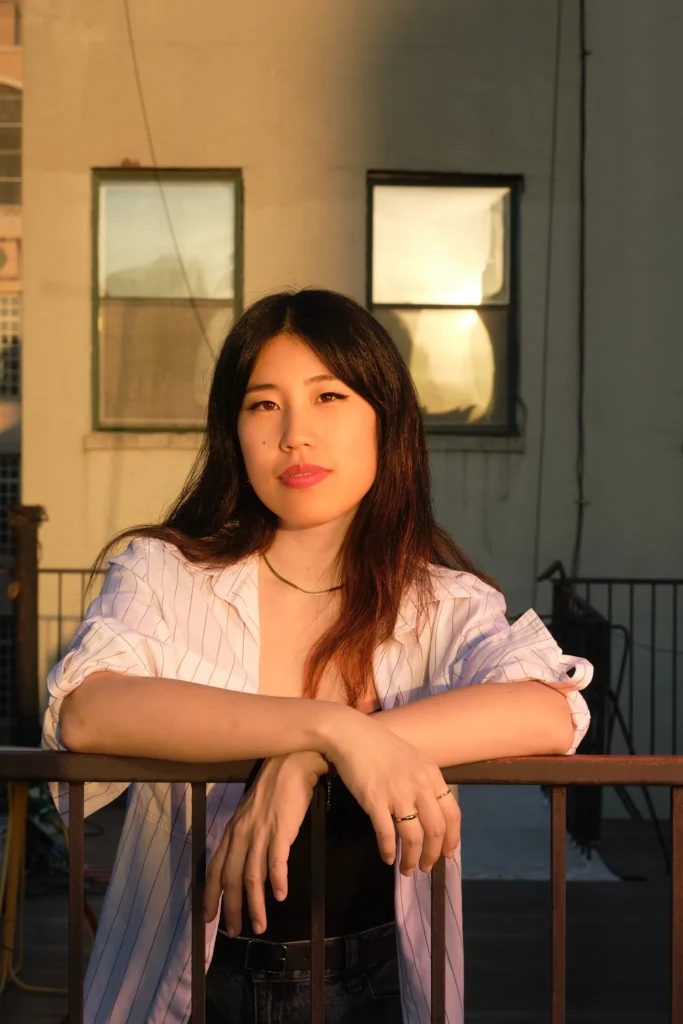
Hannah Yang is a Chinese-American speculative fiction author. Her short stories have been published in Apex, Analog, Clarkesworld, Strange Horizons, and other venues, selected for multiple Year’s Best anthologies, and shortlisted for the World Fantasy Award and the Locus Award.
She has a BA from Yale University and lives in Brooklyn. She is represented by Rebecca Eskildsen at Writers House.