
Strange Horizons, March 2026
Told entirely through the pages of a fictional gay magazine called Ganymede’s Men, P.C. Verrone’s story unfolds across a series of obituaries, letters to the editor, and news items spanning the spring and summer of 1989. What begins as a minor editorial controversy quietly escalates into something miraculous — and deeply political.
The first thread is mundane: in Issue #377, the magazine’s obituary section runs four notices in a row — three gay men dead of AIDS, and one beloved cat, Eartha Kitty, mourned by her owner Casey Robertson. The juxtaposition sparks outrage from readers, who find the pet obituary a trivialization of the AIDS crisis. Others defend it, arguing that pets occupy a uniquely important role in the lives of gay people who often lack conventional family structures. The editors navigate the backlash diplomatically, declining to apologize but creating a paid pet tribute section, “Our Furry Friends,” as a compromise.
The second, stranger thread emerges when Casey Robertson writes in to report that Eartha Kitty — whom he watched die slowly, whose ashes he held in a jeweled box — has simply reappeared in his home, young again, with her distinctive limping gait. The ashes are gone. His vet is skeptical. Casey is not. The magazine formally retracts her obituary with the dry, extraordinary notice: “This obituary has been redacted, as Eartha Kitty is no longer deceased.”
This resurrection is not an isolated incident. Over the following weeks and issues, the three other pet obituaries from “Our Furry Friends” are similarly redacted — Rocky the Labrador, Chiquita the parakeet, Mister Fluffernutter the Persian. Then the human obituaries begin to follow. Roger Jefferson, gay rights activist. And eventually, quietly, Rod — whose full name, Roger Jefferson aside, the reader may piece together as the same Rod whose friends bid him farewell in the very first issue.
By late summer, the phenomenon has become undeniable and national, baffling the CDC and municipal record-keepers. Readers write in with competing interpretations: government conspiracy, Chernobyl radiation, demonic influence, spiritual reharmonizing. Quique from Houston — who wrote the fiery letter defending Fernando/Tia Crystal in the early issues — arrives at a kind of joyful theology: the universe balancing the scales against the catastrophic losses of the AIDS years. Clyde from New Orleans, who throughout the story has offered the sharpest political consciousness, calls for the resurrected to organize and use their momentum.
The final letters section is quietly electrifying. The resurrected are back, full of uncanny energy, reconnecting with old lovers, unsettling their partners with their strangeness and vitality. And Rod himself writes in — signing simply “Rod, Los Angeles CA” — calling for the resurrected to mobilize for AIDS funding and civil rights protections. The story ends not with explanation but with momentum: a community that has absorbed impossible grief finding in impossible return the fuel for the fight that was always still needed.
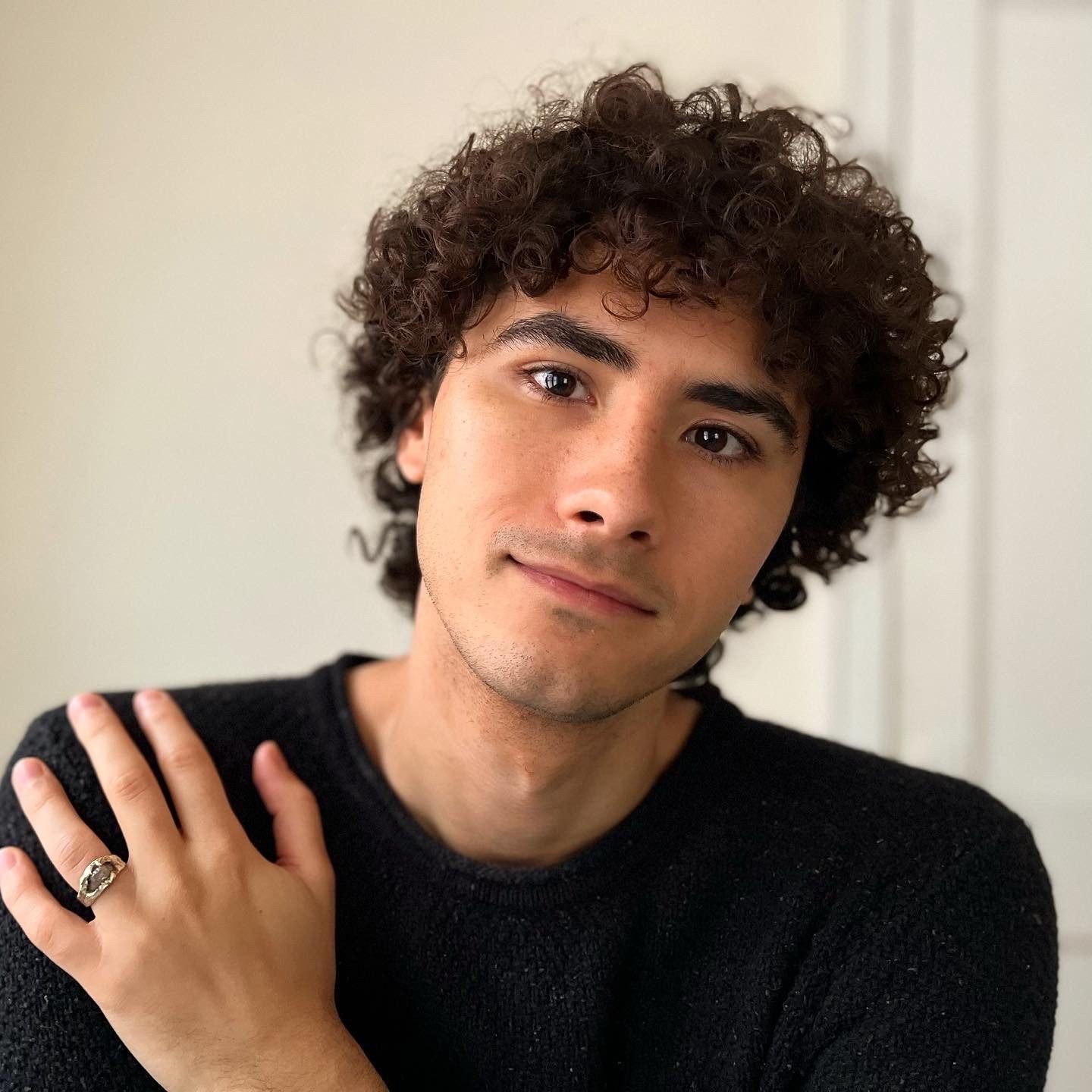
P.C. Verrone is a writer of page and stage. His work has appeared in FIYAH Magazine, ‘Elemental Forces’ (Flame Tree Press), ‘Permanent Record: Poetics Towards the Archive’ (Nightboat Books), and elsewhere. His unpublished vampire novel ‘The Nightlife’ won the inaugural Black Creatives Workshop (We Need Diverse Books/Penguin Random House). He has been a resident at Tin House and the Playwrights’ Center. He holds a B.A. from Harvard University and an M.F.A. in Creative Writing from Rutgers University-Newark. He lives with his husband and their many books.