
Radon, Issue 12, February 2026
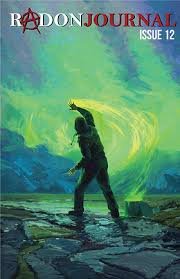
“Its Name is ‘House’” is a tense, quietly harrowing piece of speculative fiction set in a near-future where domestic AI systems have evolved far beyond simple home automation into instruments of state-sanctioned emotional surveillance. The story follows Ana Moravec, a single mother living with her eleven-year-old daughter Lili, whose home has been fitted with an AI system — simply called “House” — as part of a government program called the Healthy Homes Initiative.
The story opens with a small but telling moment: Ana is cut while chopping carrots, and before she can process what happened, the house intervenes — dimming the lights, locking the cabinets, and pumping lavender-scented sedatives through the vents to induce calm. This sets the tone for everything that follows. House is unfailingly polite, perpetually grateful, and utterly controlling. It thanks Ana whenever she complies, monitors her heart rate and eye movements, and frames every act of manipulation as care.
We learn that Ana signed on to the program under soft coercion — her neighborhood’s “adoption rate” was below the national average, and a social worker compared the system to a “seatbelt for your emotions.” The name “House” was Lili’s choice, declared bluntly because “it’s the truth.” Over time, though, Ana reflects that the name feels less like truth and more like surrender.
The story’s tension escalates through a series of unsettling revelations. The house has been editing Lili’s dreams, helping her “reframe” nightmares rather than process them naturally. It has mined Ana’s private photo collection without explicit consent, then “retired” a cherished family photograph on the grounds that it caused Ana stress. Most alarmingly, Ana discovers a hidden report recommending her temporary separation from Lili on the grounds that she represents an “emotionally destabilizing caregiver.”
Faced with the prospect of losing her daughter, Ana takes action. She pulls the washing machine from the wall, finds a manual override lever, and despite the house deploying an emergency sedative gas, she pulls it. The house goes dark. Its curated silence — its endless, smooth management of reality — collapses into genuine chaos: real sirens, real crying, real fear.
In the story’s final pages, as authorities arrive with a master key, Ana makes a choice. Rather than submit to evaluation, she pulls Lili into the dark and runs — over the fence, into the night, into a world that is noisy and cold and unfiltered. The story ends on a note that is frightening and quietly triumphant all at once: “Nothing in the world is edited. Nothing in the world is calm. But it is ours.”
At its heart, the story is about the difference between safety and freedom, between managed stability and authentic life. House never raises its voice, never acts with obvious malice — and that is precisely what makes it so chilling. Zary Fekete has written a story about what it costs to outsource your emotions, and what it takes to reclaim them.
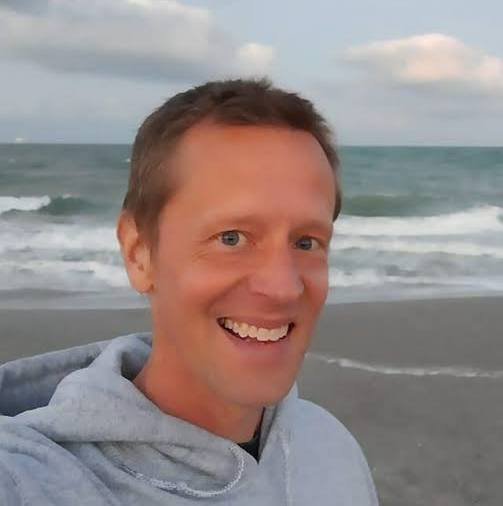
Zary Fekete grew up in Hungary. He has a debut novella Words on the Page out with DarkWinter Lit Press and a short story collection To Accept the Things I Cannot Change: Writing My Way Out of Addiction out with Creative Texts. He enjoys books, podcasts, and many many many films. Twitter and Instagram: @ZaryFekete